1. Plan around your shutdown
We review the equipment, work list and production window with your team. Together, we identify the parts, tools, access and sequence of work needed, with clear expectations for safety, quality and completion.
 RELIGNINDUSTRIALUrgent service? Call us.825-451-RLGN (7546)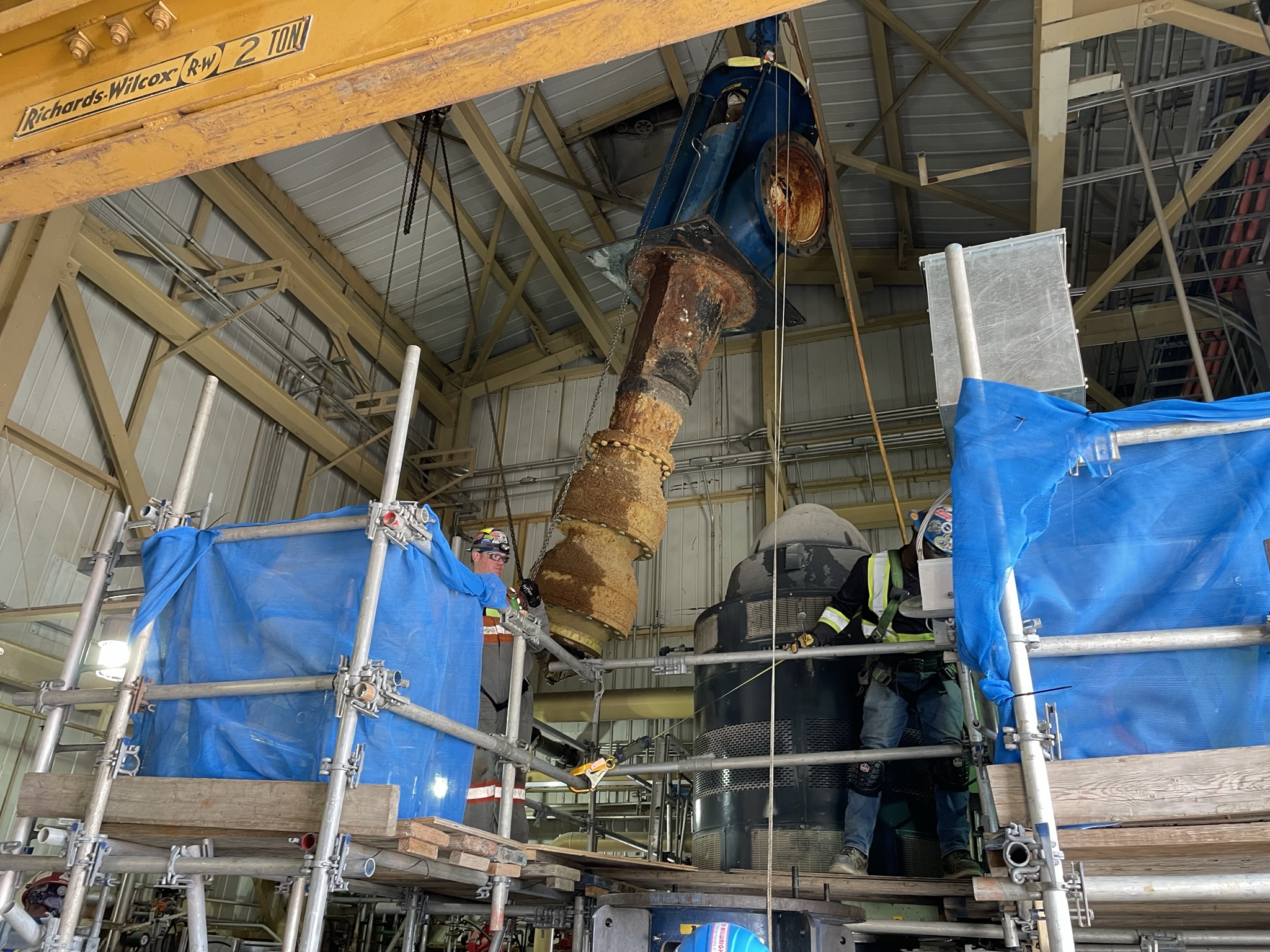
A successful shutdown starts before production stops. We help organize the work, arrange parts and coordinate the trades so you can make the most of planned downtime and get your equipment ready to return to service.
We’re building a turnaround team of experienced planners, site leaders and skilled tradespeople, starting with mechanical work packages. Our aim is to exceed your expectations through thorough preparation, quality workmanship and a well-coordinated return to production.
We review the equipment, work list and production window with your team. Together, we identify the parts, tools, access and sequence of work needed, with clear expectations for safety, quality and completion.
We identify the trade skills and site leadership the work needs, then confirm availability and responsibilities. Everyone involved works from the same plan, with your site requirements understood before the shutdown begins.
We coordinate the mechanical work, track progress and keep you informed when findings affect the plan. We review completed work with your team, address outstanding concerns and help prepare the equipment for a safe return to production.
The earlier the better, even if your dates or work list are still taking shape. Early conversations give us time to review the equipment, identify parts with long lead times and arrange the people the work needs. If the shutdown is approaching quickly, call us and we’ll talk through what’s practical.
Yes. We help identify the trades and supervision your work needs, drawing on our network to bring the right expertise together. We confirm who is available, what they’ll be responsible for and how they’ll work with your team before the shutdown.
Yes. We can focus on a mechanical work package within your wider turnaround, such as bearing changes, conveyor repairs, pump work or shaft alignment. We’ll work with your planners and site team so our preparation, schedule and completed work fit into the overall shutdown plan.
That’s a good time to involve us. We can walk through the equipment with you, review recurring problems and help identify work worth doing while production is stopped. Together, we’ll prioritize the tasks and build a practical plan around the time and budget available.
Whether your next shutdown is on the calendar or still taking shape, we’re ready to talk. Call or email us to work through the priorities, preparation and people your project needs.
info@rlgn.ca 825-451-RLGN