
Failure gives notice.
Relign offers one-time diagnostic vibration measurements, recurring route-based monitoring and installed remote or continuous systems. A sensor is an early-warning cue—not an automatic diagnosis—and each engagement defines collection, review, field verification, reporting and repair responsibility.
Current status: Relign has no customer receiving active vibration-data collection visits or an active vibration-monitoring program. This page describes available engagement models, not an existing monitored fleet.
A selected asset, being trended.
starts to change its tone.
on a Tuesday.
of the failure mode.
a window you chose.
instead of a surprise.
Follow one signal from the bearing to a maintenance decision
One illustrative path: a changing signature creates a review cue, the reading is validated against the available baseline and operating context, and the result becomes evidence, severity, a recommended action and suggested timing. The agreement decides whether Relign, the customer’s maintenance team or an approved third party performs any repair.
-
STN 01 · Your machine
A bearing starts to change
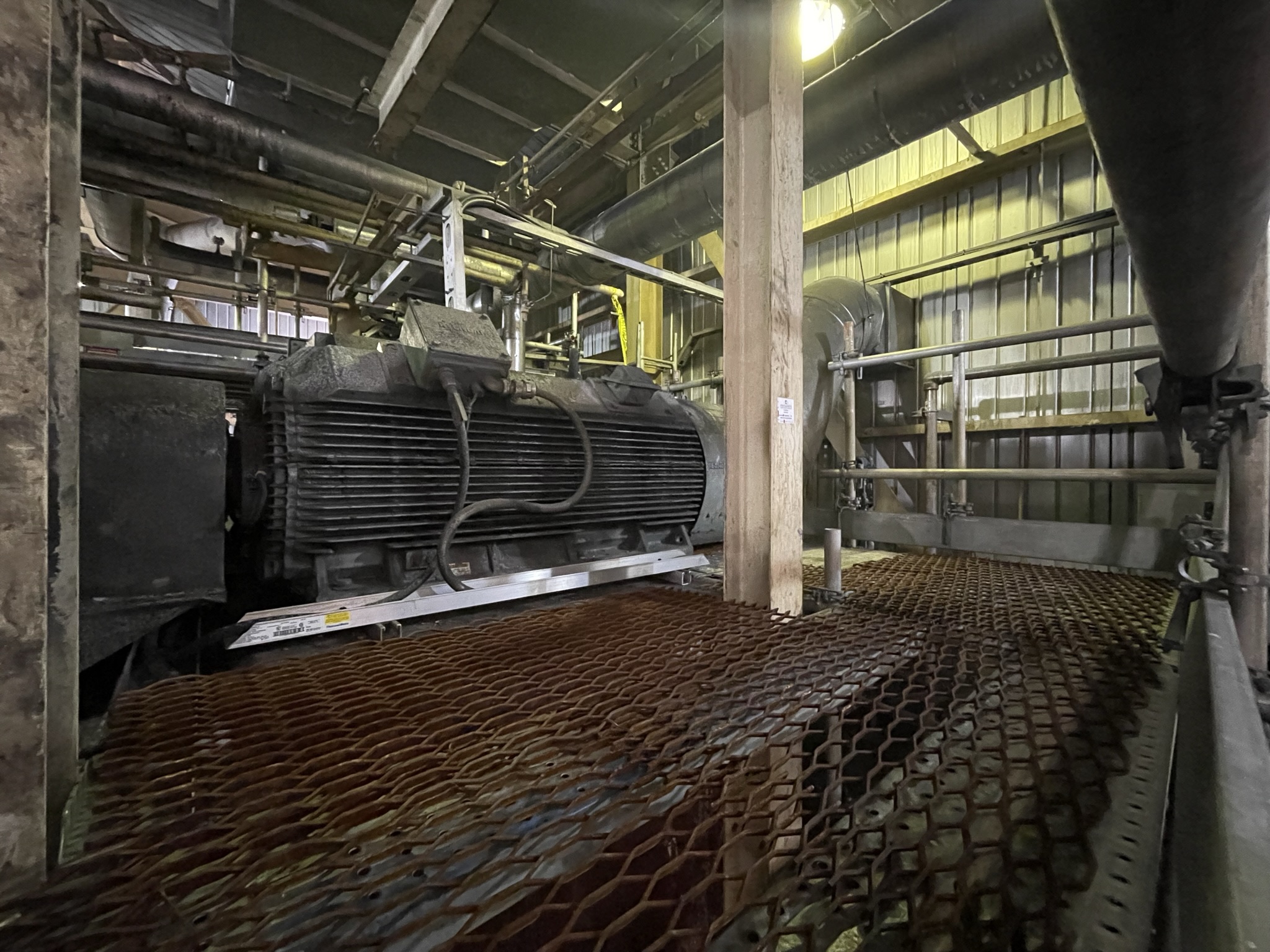
Sensors on selected motors, pumps and conveyor drives can sample vibration and temperature on an agreed cadence. A new signature can then be reviewed against the equipment baseline.
-
STN 02 · The data
The reading leaves the building
When remote capture is included, readings can be trended against the agreed asset baseline. A threshold crossing creates a review point, not an automatic diagnosis.
-
STN 03 · The review
Review turns data into a recommendation
The agreed reviewer compares the trend with the available baseline and service context. A confirmed change can become a recommendation naming the inspection point, likely component and practical next step.
-
STN 04 · The load-out
Plan the work before the wrench comes out
An accepted scope can name the component, parts assumptions and preferred work window. Final parts and access requirements are confirmed before dispatch.
-
STN 05 · Your site
The drive ends where the signal began
If the recommended work is accepted, the repair can be scheduled for a planned window. Post-work readings can establish a fresh baseline when that documentation is included in scope.
The reading you need is between the visits
Most rotating failures show measurable warning signs before they stop the line. The question is whether anything was listening when the signs started.
Snapshots miss
A monthly vibration route gives you one data point per machine. Bearings move through their wear stages on their own schedule, and the change you needed to see can land anywhere in that gap. Nobody is standing at the machine when it does.
Mounted sensors can collect vibration and temperature data between site visits. The agreed acquisition and review cadence determines when a changing trend is assessed.
Data needs hands
A dashboard does not diagnose or change a bearing. The accepted program should define who reviews a flagged trend, how the reading is validated, what context is available and how evidence becomes a recommended action.
Sensor work, human or machine-supported analysis, field verification, customer handoff and repair responsibility should be explicit in the quote. Record content and follow-up documentation are confirmed with the scope.
What a monitored program covers
An example scope menu from the first walkdown through agreed reporting. Selected items, review cadence and follow-up responsibility belong in the quote.
From walkdown to watched machine
Three steps. After step three, the agreed collection and review cadence builds a trend history for the selected assets.
Rank the assets
An engagement can begin with a plant-floor walkdown to rank equipment by consequence of failure: what stops production, what has long-lead parts and what has failed before. One-time measurements, route-based collection or installed sensors are selected to suit the engagement.
Install & baseline
Where installed monitoring is selected, sensors can be mounted on agreed assets, a healthy vibration and temperature signature can be captured, and thresholds can be set using equipment guidance, baseline, operating context and criticality.
Review & prescribe
Trends and alerts are reviewed on the cadence agreed for the program. A confirmed finding can become a scoped maintenance recommendation with parts and timing reviewed before work begins.
Built for plants that can't absorb surprise downtime
Calgary-area production facilities where the critical assets are rotating: pumps, fans, compressors, gearboxes, and the drives that move product.
Common questions
The four that come up most often before sensors go on.
01Which equipment is worth monitoring?
A scoping walkdown can rank pumps, fans, blowers, compressors, gearboxes and conveyor drives by consequence of failure. Sensor placement should then be agreed for the selected assets.
02How is condition monitoring different from a preventive maintenance program?
A PM program uses scheduled inspections, lubrication and adjustment. A condition-monitoring program can add vibration and temperature trends between visits when sensors and a review cadence are included in the agreed scope.
03What happens when a sensor flags a problem?
A sensor indication creates a review cue. The designated reviewer validates it against the baseline, operating context and available evidence before declaring a likely fault. The result can identify severity, evidence, a recommended action and suggested timing; field verification and repair responsibility follow the agreement.
04What does condition monitoring cost?
Pricing depends on the selected assets, sensor hardware, acquisition method, review cadence and reporting scope. A site-specific quote should state each of those items before work is accepted.
Use trends to make a better maintenance decision. A scoped condition-monitoring program can extend a preventive maintenance program between visits. For a stopped line, call to discuss current urgent-work availability.
Tell us which machines you can't afford to lose.
A site-specific quote can define selected assets, sensor hardware, baseline capture, review cadence, reporting and any mechanical follow-up responsibility.